From Digitization to Intelligence
The history of education technology is a story of progressive liberation — freeing knowledge from the constraints of physical classrooms, fixed schedules, and geographic boundaries. The first wave of EdTech was simple digitization: putting textbooks online, recording lectures, and distributing them via learning management systems. This made education more accessible, but the experience was largely passive. Learners watched, read, and clicked through content that was little more than a digital version of traditional classroom materials.
The second wave brought interactivity. Platforms like Coursera, Khan Academy, and Udemy introduced quizzes, discussion forums, and adaptive learning paths. Video production quality improved, and mobile access made learning possible anywhere. Yet a fundamental limitation remained: content was overwhelmingly monolingual. A brilliant lecture recorded in English was effectively invisible to a Hindi-speaking student in rural India or a Portuguese-speaking nurse in Brazil. The technology had evolved, but the language barrier hadn't budged.
The AI-Powered Third Wave
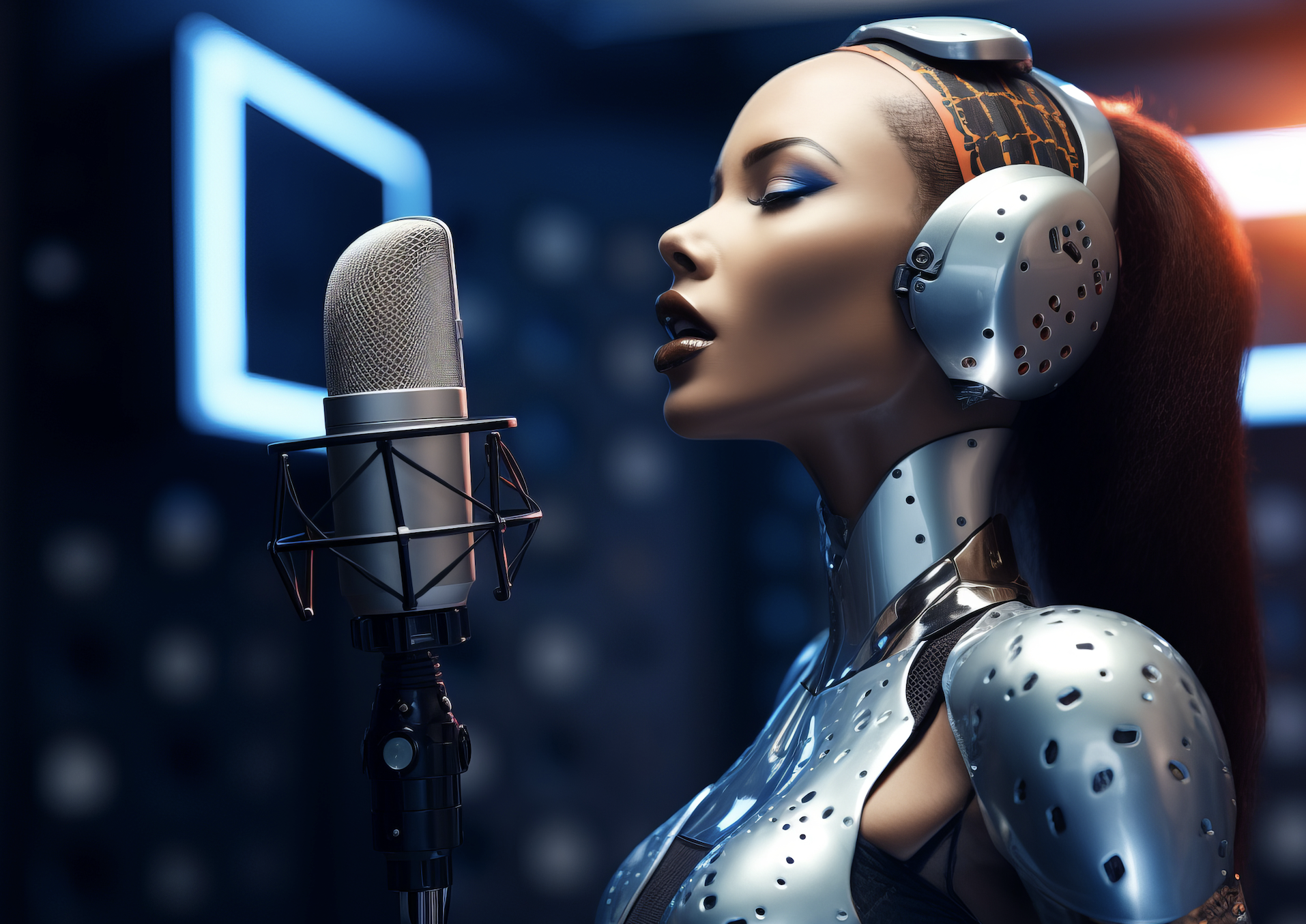
We are now in the third wave of EdTech — one defined by artificial intelligence. This wave doesn't just digitize or make content interactive; it makes content intelligent. AI can now understand, translate, narrate, and present educational material in ways that adapt to the learner's language, pace, and preferences. Neural machine translation has reached a quality level where automated translations are not only accurate but natural-sounding. AI avatars can deliver presentations with realistic facial expressions and lip-sync, creating an engaging, human-like learning experience without requiring a human presenter for each language.
This convergence of AI translation and avatar technology is reshaping what's possible in education. A university professor can record a single lecture and have it delivered to students in 20+ languages and dialects, each version narrated by an AI avatar that matches the professor's speaking style. Corporate training teams can roll out compliance modules globally in days instead of months. Nonprofits can distribute critical health education to communities that were previously unreachable due to language constraints. The third wave of EdTech isn't just about technology — it's about equity.
Where TiLT Fits in the Evolution
Voila Voice's TiLT platform represents the cutting edge of this third wave. Built from the ground up for multilingual, AI-powered content creation, TiLT combines neural translation, AI avatars, voice cloning, and automatic assessment generation into a single, intuitive platform. Educators don't need technical expertise to use it — they simply upload their content and let the platform handle the transformation. The result is professional-grade, multilingual learning content that can be produced in minutes and updated on the fly.
What makes TiLT particularly significant is its focus on democratization. The tools that were once available only to large institutions with dedicated production teams are now accessible to individual educators, small training companies, and community organizations. As the EdTech landscape continues to evolve, the platforms that will lead are those that make powerful technology simple and accessible. TiLT is doing exactly that — putting the future of multilingual learning into everyone's hands.
Join the Future of Learning
Create AI-powered, multilingual educational content with Voila Voice's TiLT platform.
Try TiLT Free